
Table of Contents
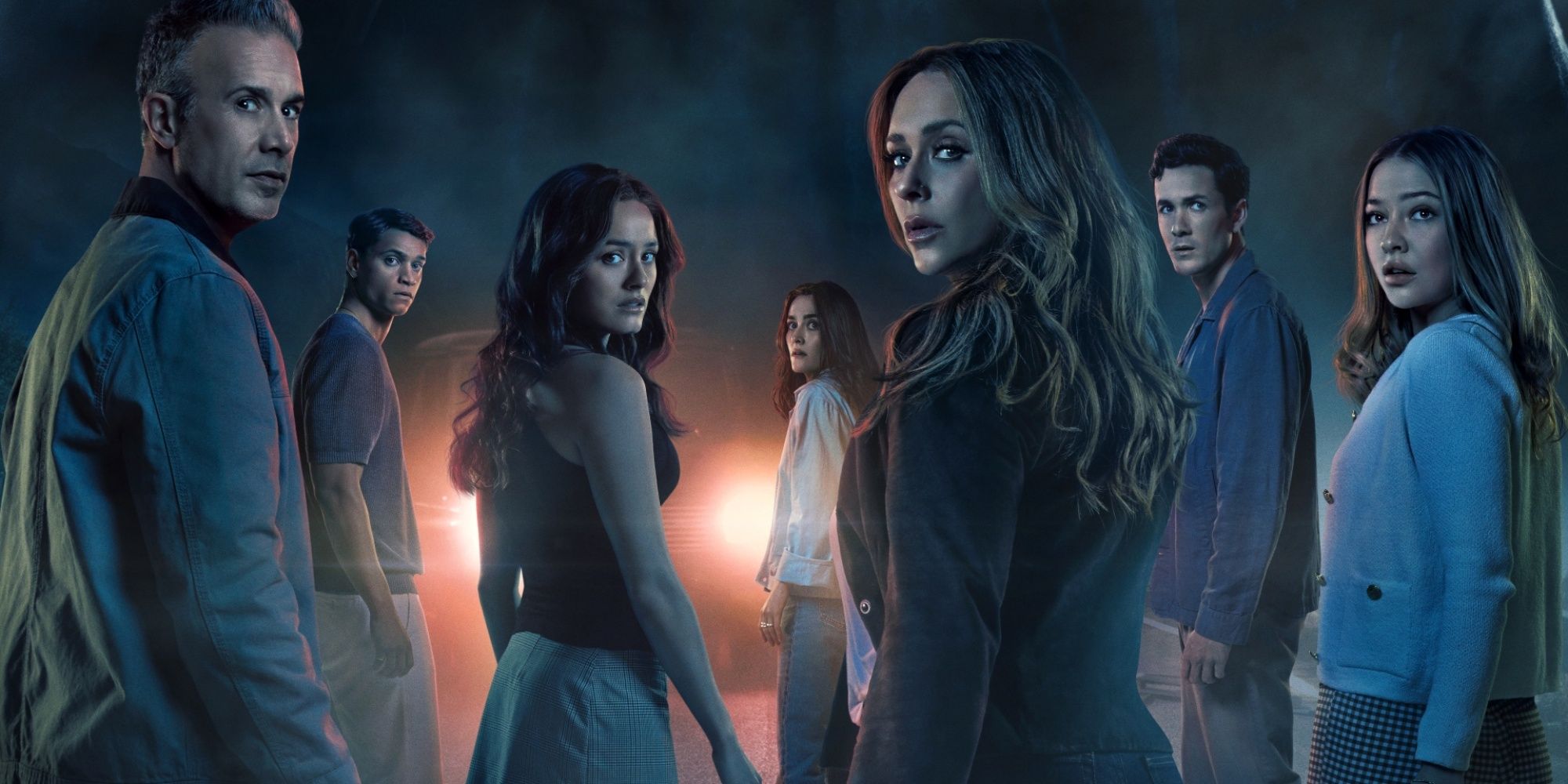
There’s something oddly comforting about returning to a familiar horror movie. Maybe it’s the nostalgia, the formulaic rhythm, or the unspoken agreement between audience and filmmakers: some people are going to die, the killer will probably wear something iconic, and we’ll all pretend we didn’t see the twist coming. But not all horror reboots are made equal, and few franchises embody this strange mix of familiarity and persistence quite like I Know What You Did Last Summer. A cult classic of the 90s slasher revival, the film has somehow managed to linger in the collective pop culture consciousness for nearly three decades—despite its many evolutions, reinventions, and critical ups and downs.
As a cinematography student and horror fan, I find the journey of this franchise fascinating, not just because of its enduring presence, but because of how each iteration reflects a different moment in horror history. More than just a slasher, I Know What You Did Last Summer has become a mirror for our shifting anxieties, stylistic preferences, and industry trends. And with recent attempts to reboot the series for new generations most notably the 2021 Amazon Prime series, it’s worth asking: what made the 1997 version so iconic, and why hasn’t the formula ever fully clicked again?
Things to do:
- Subscribe to The Hollywood Insider’s YouTube Channel, by clicking here.
- Limited Time Offer – FREE Subscription to The Hollywood Insider
- Click here to read more on The Hollywood Insider’s vision, values and mission statement here – Media has the responsibility to better our world – The Hollywood Insider fully focuses on substance and meaningful entertainment, against gossip and scandal, by combining entertainment, education, and philanthropy.
The 1997 Classic: A Slasher Drenched in Gloss and Guilt
Released during the post-Scream wave of self-aware slashers, I Know What You Did Last Summer was written by Kevin Williamson, the same mind behind Scream, but notably without the same meta approach. Where Scream laughed at the tropes, I Know leaned into them dead serious and stylized. The plot is simple but effective: four teenagers accidentally kill a man with their car and decide to dump the body. A year later, they’re stalked by someone who clearly knows what they did.
Visually, the 1997 film is a masterclass in late-90s horror aesthetic. The lighting is moody and soft, often using high-key setups that give the film an almost romantic look. Director Jim Gillespie and cinematographer Denis Crossan took full advantage of the coastal North Carolina setting, mixing foggy docks, moonlit roads, and tight interiors to generate suspense. There’s a polish to it, a teen magazine kind of horror, helped by the beautiful cast: Jennifer Love Hewitt, Sarah Michelle Gellar, Freddie Prinze Jr., and Ryan Phillippe. They were stars in the making, and the movie knew it. You can feel it in every medium close-up, every perfectly lit scream.
Thematically, the film plays with guilt, trauma, and the consequences of silence, heavy stuff for a slasher. But it’s all wrapped in a digestible, commercial package. That tension between seriousness and spectacle is part of what made the original so compelling. Unlike Scream, which invited the audience in on the joke, I Know was deadpan in its horror. There was no wink to the camera, just a shadowy figure in a rain slicker with a hook for a hand.
WATCH THE TRAILER of the Film and the Revolution: ‘Can I Go Home Now?’
The Children Around the World Continue to Ask the question
The Sequels and Their Struggle to Capture the Magic
Let’s be honest: I Still Know What You Did Last Summer (1998) didn’t have the same charm. It upped the budget, shipped the cast to a tropical island, and introduced one of the weirdest plot twists in horror history involving karaoke lyrics. Visually, it lacked the grounded mood of the original and instead leaned more into the absurd. It was more colorful, more chaotic, and more desperate to shock. There was a shift in tone that disrupted the grounded nature of the first, replacing atmospheric dread with cheap thrills.
By the time I’ll Always Know What You Did Last Summer came out in 2006, an unrelated straight-to-DVD reboot, the franchise had fully lost its way. It abandoned the original characters and aesthetics entirely, choosing to chase after generic teen horror beats. The cinematography was flat, the direction uninspired, and the hook-wielding killer now felt like a parody of himself.
Related article: – Want GUARANTEED SUCCESS? Remove these ten words from your vocabulary| Transform your life INSTANTLY
Related article: CHOOSE AN ARTICLE THAT IS LINKED TO THE ARTICLE YOU ARE PLACING IT IN
The 2021 Series: A Reflection of Streaming Horror
When Amazon Prime dropped its 2021 reboot series, it was met with mixed reviews. As a cinematography student watching it unfold, I was torn. On one hand, it made smart updates: queerer characters, more diversity, and a more psychological, drawn-out narrative structure. On the other, it felt like a completely different beast. Gone was the brooding fisherman aesthetic, replaced by glossy interiors, influencer culture, and a sense of detachment.
The show leaned heavily into the Gen Z mindset, emphasizing identity, secrets, and social media. But in doing so, it forgot a key ingredient of the original: mood. The cinematography, though slick, often felt clinical. Where the 1997 film had texture and warmth, even in its scariest moments, the series often felt like a music video. Quick cuts, overexposed lighting, and a lack of consistent visual tone made it hard to connect emotionally.
That said, the biggest difference was pacing. The original film is tight (90 minutes). The series, in contrast, spreads a similar story over eight episodes. What should be a high-stakes chase becomes a slow-burning drama with a body count. Horror, when stretched too thin, loses its punch. There’s a reason most slashers work best in under two hours: fear is primal, immediate, not something to be drawn out indefinitely.
Related article: EVOLUTION: Every Ryan Gosling Role From 1995 to 2020, All Performances Exceptionally Poignant
Related article: EVOLUTION: Every Henry Cavill Role From 2001 to 2021, All Performances Exceptionally Poignant
Related article: CHOOSE AN ARTICLE THAT IS LINKED TO THE ARTICLE YOU ARE PLACING IT IN
So Why Won’t This Franchise Die?
Even after failed sequels and a lukewarm series, there are rumors of another film in development. Why? Because I Know What You Did Last Summer has one of the best horror premises of all time. It’s simple, emotionally rich, and morally complex. It taps into youthful guilt, group dynamics, and the fear of being watched or punished. That’s timeless. That’s human.
Also, the image of a killer in a raincoat with a hook is just cool. It’s iconic in a way many modern villains aren’t. Think about it, there’s an elegance to the simplicity. Unlike masked slashers like Ghostface or Michael Myers, the Fisherman feels grounded. You can almost imagine someone like him existing. That realism makes the horror hit closer.
But what future versions need to understand is that style matters. Mood matters. The original worked not just because of its story, but because of how it looked and felt. The foggy docks, the blue-tinged shadows, the lonely roads, it created a visual world that matched its themes. Horror is visual, and cinematography is not just decoration, it’s storytelling. That’s something the sequels and series seem to forget.
Related article: Understanding the Star Wars Timeline
Related article: A Tribute to Francis Ford Coppola: One of Cinema’s Unforgettable Directors | ‘Megalopolis’, ‘The Godfather’ & More
Related article: #metoo Revolution: Powerful Questions That Need Answers
Related article: FACT-CHECKED Series: Timothee Chalamet and 32 Facts about The Young Superstar
Related article: CHOOSE AN ARTICLE THAT IS LINKED TO THE ARTICLE YOU ARE PLACING IT IN
Final Thoughts: A Hook, a Shadow, and a Legacy
As a student of film and someone who grew up on horror, I hope this franchise finds its voice again. Not just for nostalgia, but because it deserves it. In the right hands, I Know What You Did Last Summer could become a prestige horror film: leaner, darker, and more emotionally raw. A24 or Blumhouse could take the bones of the original and craft something genuinely terrifying and artful.
Until then, the 1997 film stands tall as a glossy, melancholic, and strangely poetic slasher. It’s not the most self-aware, nor the bloodiest, but it’s one that understood how to look like a nightmare.
And for that, I’ll always remember what it did that summer.
Related article: Top 10 South Park Characters | Who Makes the Cut? Kenny, Chef, Butters, Towelie, Eric?
Related article: In-Depth Analysis | The Unexpected Queerness of ‘Bob’s Burgers’: Why the Show is an Animated Ally
Related article: CHOOSE AN ARTICLE THAT IS LINKED TO THE ARTICLE YOU ARE PLACING IT IN
More Interesting Stories From The Hollywood Insider
– Want GUARANTEED SUCCESS? Remove these ten words from your vocabulary| Transform your life INSTANTLY
– A Tribute to Martin Scorsese: A Complete Analysis of the Life and Career of the Man Who Lives and Breathes Cinema
– Do you know the hidden messages in ‘Call Me By Your Name’? Find out behind the scenes facts in the full commentary and In-depth analysis of the cinematic masterpiece
– A Tribute To The Academy Awards: All Best Actor/Actress Speeches From The Beginning Of Oscars 1929-2019 | From Rami Malek, Leonardo DiCaprio To Denzel Washington, Halle Berry & Beyond | From Olivia Colman, Meryl Streep To Bette Davis & Beyond
– In the 32nd Year Of His Career, Keanu Reeves’ Face Continues To Reign After Launching Movies Earning Over $4.3 Billion In Total – “John Wick”, “Toy Story 4”, “Matrix”, And Many More
Author
You might also like…







Daniel de la Guerra is a multilingual screenwriter and writer who brings a global perspective to storytelling across film, television, and culture. Writing features and reviews for The Hollywood Insider, Daniel is passionate about exploring how stories can inspire change, foster empathy, and reflect the human experience. With a background in translation and a commitment to ethical storytelling, his work aligns closely with The Hollywood Insider mission to combine entertainment with meaningful education and philanthropy. Daniel’s writing invites readers to engage thoughtfully with the narratives that shape our world, celebrating creativity as both art and a catalyst for connection.
Daniel de la Guerra is a multilingual screenwriter and writer who brings a global perspective to storytelling across film, television, and culture. Writing features and reviews for The Hollywood Insider, Daniel is passionate about exploring how stories can inspire change, foster empathy, and reflect the human experience. With a background in translation and a commitment to ethical storytelling, his work aligns closely with The Hollywood Insider mission to combine entertainment with meaningful education and philanthropy. Daniel’s writing invites readers to engage thoughtfully with the narratives that shape our world, celebrating creativity as both art and a catalyst for connection.